The Anti-Inflammatory Diet, Minus the Hype: A Beginner's Real-Food Guide
Inflammation has become wellness culture’s favorite villain — blamed for everything, explained rarely. Here is the grounded version: acute inflammation is your immune system doing its job; the problem is the chronic, low-grade kind that modern eating patterns quietly feed, and that research links to heart disease, joint pain, low energy and rough aging. The encouraging part: few things influence it more than what lands on your plate, one meal at a time. No cleanse required.

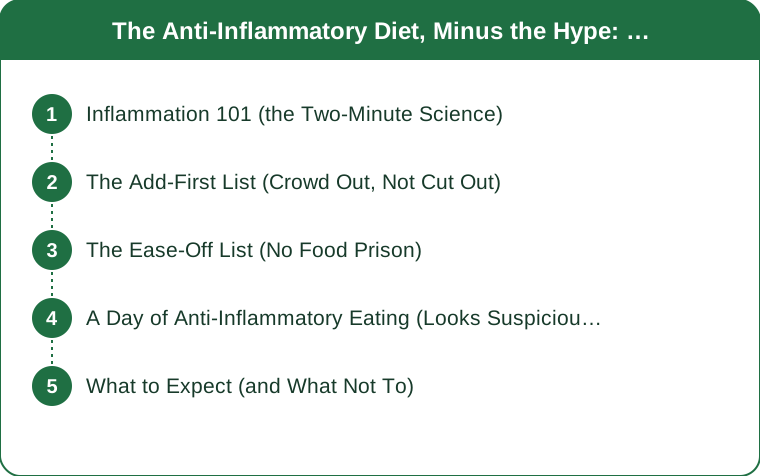
Inflammation 101 (the Two-Minute Science)
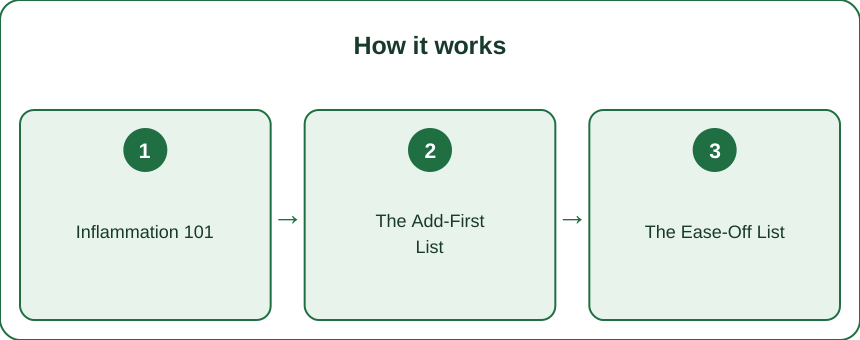
Sprain an ankle and the redness and swelling are inflammation working: a short, targeted healing response. Chronic inflammation is that same system stuck at a low simmer for years — no injury, no off switch — quietly stressing blood vessels, joints and tissues. Diet is a major dial: patterns heavy in refined carbs, deep-fried foods, processed meats and excess sugar reliably nudge inflammatory markers up, while patterns built on plants, fish and olive oil nudge them down. You cannot feel the markers move. Your future body keeps the receipts.
The Add-First List (Crowd Out, Not Cut Out)
The most sustainable strategy is addition: fatty fish twice a week (salmon, sardines, mackerel — the omega-3 heavyweights), berries most days (the deepest-colored fruits carry the most anti-inflammatory polyphenols), leafy greens and cruciferous vegetables daily, extra-virgin olive oil as your default fat, nuts and seeds as default snacks, and legumes several times weekly for fiber that feeds an anti-inflammatory gut. Spices are the free upgrade — turmeric, ginger and garlic have genuine supporting research and cost pennies per dose. Fill the plate with these and the problem foods lose their real estate automatically.

The Ease-Off List (No Food Prison)
Note the verb — ease off, not banish: added sugar (especially in drinks, the fastest inflammatory delivery system in the diet), refined white-flour everything as a daily default, deep-fried foods, processed meats as regulars rather than occasions, and heavy alcohol. The 80/20 truth: chronic inflammation responds to your pattern, not your birthday cake. A framework of mostly add-list, sometimes anything is both scientifically sound and psychologically survivable — which is what makes it the version that actually lasts past February.
A Day of Anti-Inflammatory Eating (Looks Suspiciously Delicious)
Breakfast: Greek yogurt with blueberries, walnuts and cinnamon. Lunch: big spinach salad with chickpeas, roasted peppers, feta and an olive-oil lemon dressing. Snack: apple with almond butter, or green tea and dark chocolate (yes, both make the list). Dinner: roasted salmon with garlicky broccoli and quinoa, olive oil over everything. Golden turmeric-ginger tea if you are feeling ceremonial. Notice what is missing: suffering. This is essentially Mediterranean eating — the most-studied dietary pattern on earth — wearing a different nametag.
What to Expect (and What Not To)
Honest timelines: many people report steadier energy and less bloat within two weeks, and joint-comfort improvements over one to three months; the deeper benefits — cardiovascular, metabolic — accrue silently over years, which is the entire point. What this way of eating will not do: cure diseases, replace medication, or work as a seven-day detox. Chronic inflammation took years of pattern to build and responds to pattern in kind. Anyone selling you the weekend version is selling. The plate version is free, delicious and starts at your next meal.
Anti-inflammatory eating, translated out of hype: more plants, more fish, more olive oil, more color — less sugar-as-a-habit, fewer ultra-processed defaults, zero moral panic. It is the rare health trend that is actually just good eating with better branding. Start with two add-list swaps this week — berries at breakfast, salmon on Thursday — and let the pattern, not the perfection, do the healing math.
Keep Reading
This article is for general informational purposes only and is not medical advice. Always consult a qualified health professional for guidance specific to you.