Do Cheat Days Ruin an Anti-Inflammatory Diet? Here's the Honest Answer
Quick Answer: A single inflammatory meal causes a temporary, short-lived inflammatory response that typically resolves within 24-48 hours in someone otherwise eating well — it’s the sustained pattern over weeks and months that drives meaningful chronic inflammation, not one occasional meal.
You had pizza and cake at a birthday party and now you’re bracing for your anti-inflammatory progress to reset. That’s not how this actually works — the body’s inflammatory response to food is far more about pattern than any single event.

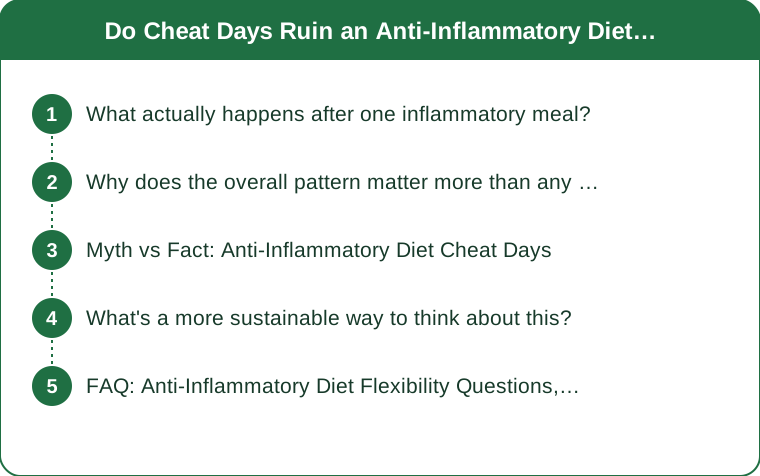
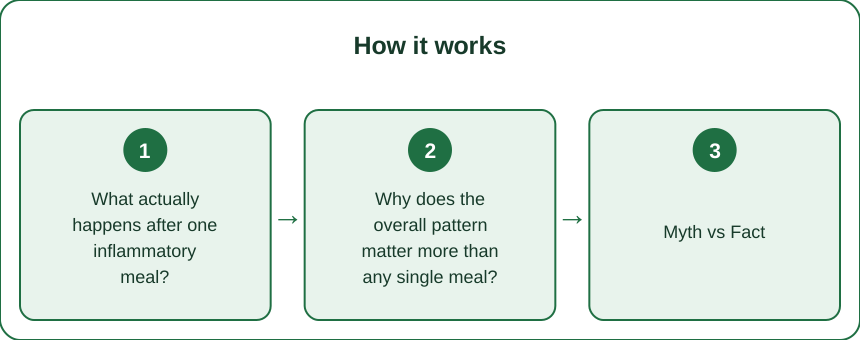
What actually happens after one inflammatory meal?
Certain foods (heavily processed items, foods high in refined sugar or industrial seed oils, excessive alcohol) can trigger a measurable but temporary spike in inflammatory markers, generally resolving within 24-48 hours in someone with an otherwise consistent healthy eating pattern.
This is a normal physiological response, not damage — your body is built to handle occasional dietary variation. The people who see this spike compound into lasting inflammation are those where ‘occasional’ becomes the actual daily pattern, not the exception.
Why does the overall pattern matter more than any single meal?
Chronic inflammation develops from sustained, repeated exposure — think weeks and months of a certain eating pattern, not any individual day. Research on anti-inflammatory eating patterns (like Mediterranean-style diets) measures outcomes over months, not single meals.
This means the useful mental model isn’t ‘perfect or ruined’ — it’s closer to a rolling average. One celebratory meal in a month of consistently anti-inflammatory eating barely moves that average. The same meal repeated 5 nights a week is a genuinely different pattern.

Myth vs Fact: Anti-Inflammatory Diet Cheat Days
Myth: One inflammatory meal undoes weeks of progress. Fact: The temporary spike resolves within days in the context of an otherwise consistent pattern — it doesn’t erase cumulative benefit.
Myth: Strict, zero-exception eating produces better results than 80/20 approaches. Fact: Sustainable, mostly-consistent patterns (commonly framed as 80/20) tend to outperform rigid all-or-nothing approaches long-term, partly because rigidity often leads to abandoning the diet entirely after a single ‘failure.’
Myth: You need to ‘detox’ after a cheat meal to reverse the damage. Fact: No special post-meal protocol is needed — your body’s normal processes resolve the temporary response within 1-2 days on their own.
What’s a more sustainable way to think about this?
Aim for consistency over any single day — a useful rough target many anti-inflammatory eating approaches use is roughly 80% aligned meals, 20% flexible, rather than 100% strict.
After a genuinely inflammatory meal, there’s no need for compensation strategies — just resume your normal pattern at the next meal, rather than either restricting further (which can backfire into a binge-restrict cycle) or treating the day as already lost and eating poorly for the rest of it too.
FAQ: Anti-Inflammatory Diet Flexibility Questions, Answered
How long does inflammation from one meal actually last?
Generally 24-48 hours in someone with an otherwise consistent healthy pattern — it’s a temporary response, not lasting damage.
Is an 80/20 approach actually effective for reducing inflammation?
Many people find it both effective and more sustainable long-term than strict elimination approaches, since it’s easier to maintain consistently over months and years.
Should I do anything special after an inflammatory meal to ‘reset’?
No special protocol is needed — simply resuming your normal eating pattern at the next meal is sufficient; extreme restriction afterward tends to cause more harm than the original meal did.
TL;DR:
- A single inflammatory meal causes a temporary spike that resolves in 24-48 hours
- Chronic inflammation comes from sustained weeks-to-months patterns, not one meal
- An 80/20 consistency approach tends to be more sustainable than all-or-nothing strictness
- No special ‘reset’ needed after a cheat meal — just resume your normal pattern next meal
This is general information, not medical advice — think rolling average, not perfect record.
Keep Reading
This article is for general informational purposes only and is not medical advice. Always consult a qualified health professional for guidance specific to you.