I Tracked My Joint Pain for 8 Weeks on an Anti-Inflammatory Diet — Here's What Actually Changed
Quick Answer: Most people tracking joint pain on an anti-inflammatory diet see modest improvement starting around week 3-4, with the clearest changes by week 6-8 — not the dramatic overnight relief social media often implies.
You’ve seen the before-and-after posts promising joint pain gone in a week. Here’s the more honest, less viral version: what actually shifts, and on what timeline, when you track it properly instead of just vibing.

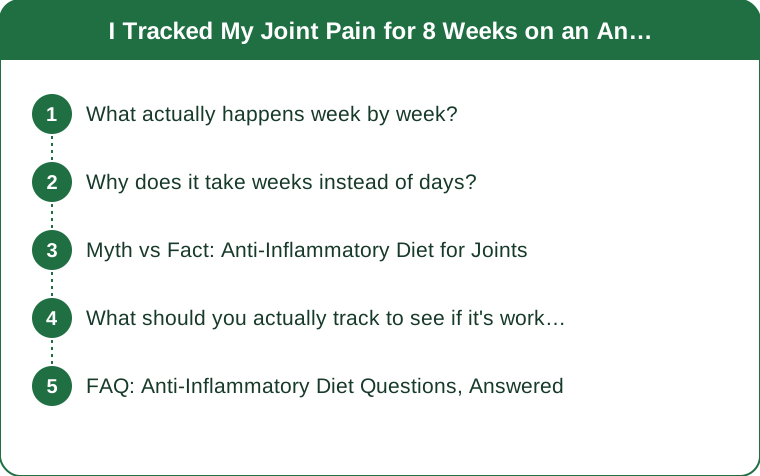
What actually happens week by week?
Weeks 1-2: Little to no noticeable change in pain, though some people report slightly less bloating. This is normal — don’t judge the diet yet.
Weeks 3-4: The most common point where people start noticing mild reductions in morning stiffness duration — not pain gone, but stiffness resolving a bit faster after waking.
Weeks 6-8: This is where tracked improvements tend to consolidate — measurably less stiffness, and for some, fewer flare days per month. It’s gradual, not a light switch.
Why does it take weeks instead of days?
Chronic low-grade inflammation markers (like CRP) respond to sustained dietary patterns, not single meals. Studies on anti-inflammatory eating patterns typically measure outcomes at the 6-12 week mark because that’s the window where blood markers show consistent movement.
Eating well for 3 days and expecting joint results is like doing 3 workouts and expecting visible muscle — the mechanism is real, the timeline just isn’t instant.

Myth vs Fact: Anti-Inflammatory Diet for Joints
Myth: Cutting nightshades (tomatoes, peppers) helps everyone’s joint pain. Fact: This helps a small subset of people with specific sensitivities — for most, there’s no strong evidence nightshades drive inflammation. Don’t cut a whole food group without noticing a personal pattern first.
Myth: If it’s not working by week 2, it’s not for you. Fact: Week 2 is before most tracked studies even start measuring change. Quitting there means never reaching the window where results typically show up.
Myth: Diet alone replaces medical treatment for joint conditions. Fact: Diet is a supportive tool, not a replacement for prescribed treatment — especially for diagnosed conditions like rheumatoid arthritis.
What should you actually track to see if it’s working?
Skip vague journaling like ‘felt okay.’ Track 3 specific numbers, 1-10 scale, same time daily:
- Morning stiffness duration in minutes until it resolves
- Pain level at your worst point of the day
- Flare days per week (a day pain noticeably spikes above baseline)
Compare week 1 averages to week 6-8 averages. Trends over 6+ weeks are far more reliable than how any single day feels.
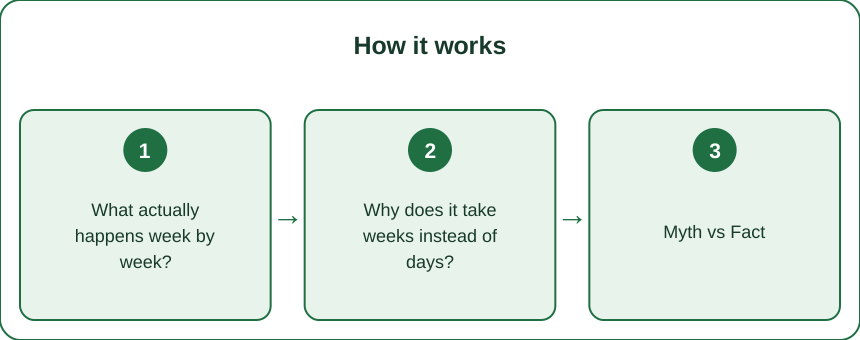
FAQ: Anti-Inflammatory Diet Questions, Answered
Can an anti-inflammatory diet cure arthritis?
No — it can support symptom management alongside medical treatment, but it doesn’t reverse diagnosed joint disease. Anyone framing it as a cure is overselling the evidence.
Do I need to eliminate entire food groups?
Most anti-inflammatory approaches emphasize adding foods (fatty fish, colorful vegetables, olive oil) more than strict elimination — sustainable beats extreme.
How strict does the diet need to be to see results?
Studies showing benefit generally used consistent, not perfect, adherence — roughly 80% consistency over weeks tends to matter more than occasional off-plan meals. This is general information, not medical advice.
TL;DR:
- Weeks 1-2: little change is normal, don’t judge yet
- Weeks 3-4: mild stiffness-duration improvement is the first sign for most people
- Weeks 6-8: where tracked results typically consolidate
- Track 3 numbers (stiffness minutes, pain level, flare days) instead of vague journaling
Give it the full 6-8 weeks before deciding it’s not working — the timeline is the most commonly skipped step.
Keep Reading
This article is for general informational purposes only and is not medical advice. Always consult a qualified health professional for guidance specific to you.