Anti-Inflammatory Eating Doesn't Require Expensive Superfoods
Anti-inflammatory eating gets marketed through expensive powders, exotic berries and specialty oils, which makes it feel financially out of reach for most people — but the actual research points to boring, cheap staples doing most of the work. Here is why the superfood framing misleads, the budget staples that matter, and how to build a full week of meals around them.

Why the Superfood Framing Misleads
The marketing gap: the the-marketing-margin-on-superfoods (the premium pricing on trendy anti-inflammatory foods reflecting marketing margin, not proportionally more benefit — the price-tracks-branding-not-nutrition), the the-research-favors-common-foods (the actual anti-inflammatory nutrition research consistently pointing to fatty fish, legumes, olive oil and vegetables — ordinary, affordable foods — the the-boring-foods-win-the-studies), the the-single-superfood-myth (the no single exotic ingredient outweighing an overall dietary pattern from the best-anti-inflammatory-foods-guide logic — the pattern-beats-any-one-food), the the-frozen-equals-fresh-nutritionally (the frozen produce retaining comparable nutrients to fresh at a fraction of the cost — the frozen-is-not-a-downgrade), the the-canned-and-dried-count-too (the canned beans, fish and dried legumes carrying the same core benefits as pricier fresh versions — the shelf-stable-still-counts), and the reframe (the superfood narrative as a pricing story more than a nutrition story — the actual anti-inflammatory pattern is achievable with a normal grocery budget).
The Budget Staples That Do the Real Work
What actually matters: the canned-fatty-fish (the canned salmon and sardines delivering the same omega-3s as fresh fillets at a fraction of the price — the the-biggest-budget-win), the the-dried-and-canned-legumes (the beans and lentils providing fiber and plant protein central to an anti-inflammatory pattern from the anti-inflammatory-diet-beginners logic — the cheapest-fiber-source), the the-frozen-berries-and-vegetables (the frozen produce holding the same antioxidant and fiber content as fresh — the freezer-aisle-is-underrated), the the-olive-oil-in-bulk (the buying a larger bottle of olive oil lowering the per-use cost of the single most consistently supported anti-inflammatory fat — the buy-the-big-bottle), the the-whole-grains-over-specialty-flours (the oats and brown rice offering the same fiber benefit as pricier specialty grains — the ordinary-grains-work-fine), and the frame (the real workhorses as canned fish, legumes, frozen produce, bulk olive oil and plain whole grains — a full anti-inflammatory pantry costing a fraction of the trendy version).
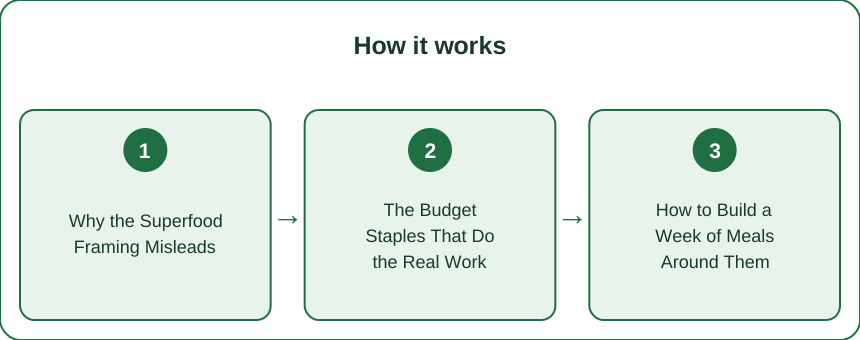
How to Build a Week of Meals Around Them
The practical build: the base-lunches-on-legumes (the bean and lentil salads or soups forming a cheap, filling lunch base several days a week — the batch-and-repeat), the the-canned-fish-two-ways (the canned salmon in a salad one day, mixed into a pasta the next, stretching one purchase — the one-ingredient-two-meals), the the-frozen-vegetable-side-every-dinner (the a frozen vegetable side rotated through dinners for consistent volume — the default-side-not-an-afterthought), the the-oats-and-berries-breakfast (the oats topped with frozen berries as a reliable, cheap anti-inflammatory breakfast — the same-breakfast-most-days-is-fine), the the-batch-cook-once-a-week (the cooking a large pot of beans or grains once and portioning across several meals — the batch-cooking-cuts-cost-and-time), and the frame (the week-build as legume-based lunches, stretched canned fish, a frozen vegetable side every dinner, and oats-and-berries mornings — repetitive, cheap, and nutritionally aligned with the same pattern the expensive version is chasing).
The expensive-superfood version of anti-inflammatory eating reflects marketing pricing more than nutritional superiority — the actual research consistently favors ordinary, affordable foods like fatty fish, legumes, olive oil and vegetables, with frozen and canned versions carrying comparable benefits to fresh. Build a budget pantry around canned salmon or sardines, dried or canned beans and lentils, frozen berries and vegetables, a bulk bottle of olive oil, and plain whole grains like oats and brown rice. A full week comes together easily from there: legume-based lunches, canned fish stretched across two meals, a frozen vegetable side every dinner, and an oats-and-berries breakfast repeated most days. The anti-inflammatory pattern that matters is achievable on a normal grocery budget, no exotic powders required.
Keep Reading
This article is for general informational purposes only and is not medical advice. Always consult a qualified health professional for guidance specific to you.