The Late-Summer Produce Doing the Most Anti-Inflammatory Work
Quick Answer: The late-summer picks worth prioritising are tomatoes, dark berries, leafy greens, peppers, courgette, stone fruit, and fresh herbs - all at peak ripeness, peak polyphenol content, and lowest price simultaneously. Cooking method matters as much as the choice: tomatoes release more lycopene when cooked with fat, while greens and berries lose more of their benefit the longer they are heated.
Seasonal eating is not just a preference. Produce picked at peak ripeness genuinely contains more of the compounds people are eating it for, and right now the overlap between cheap and beneficial is at its widest all year.
What is actually in season and worth prioritising?
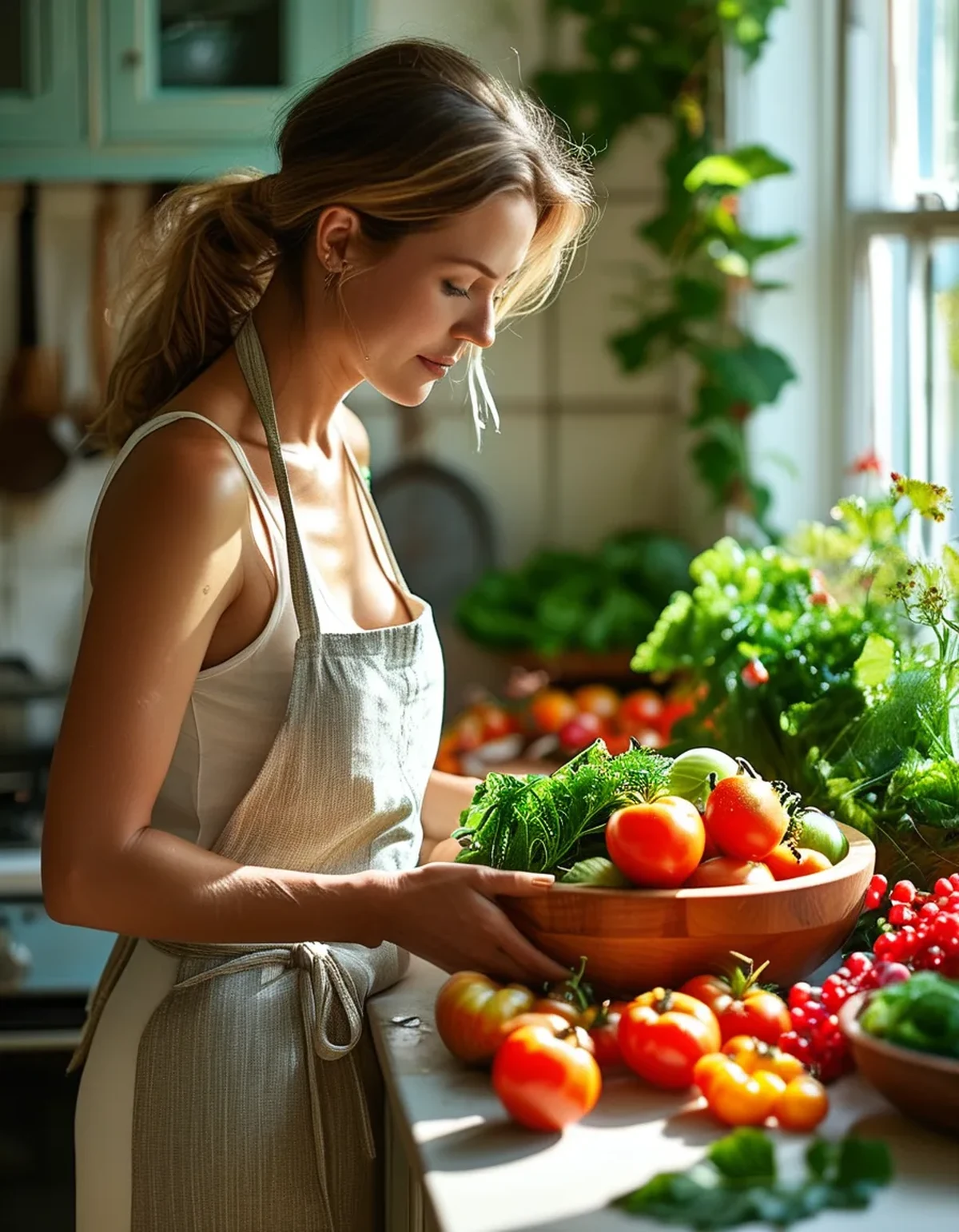
Late summer is the most productive stretch of the year, which means the best-value list is long.
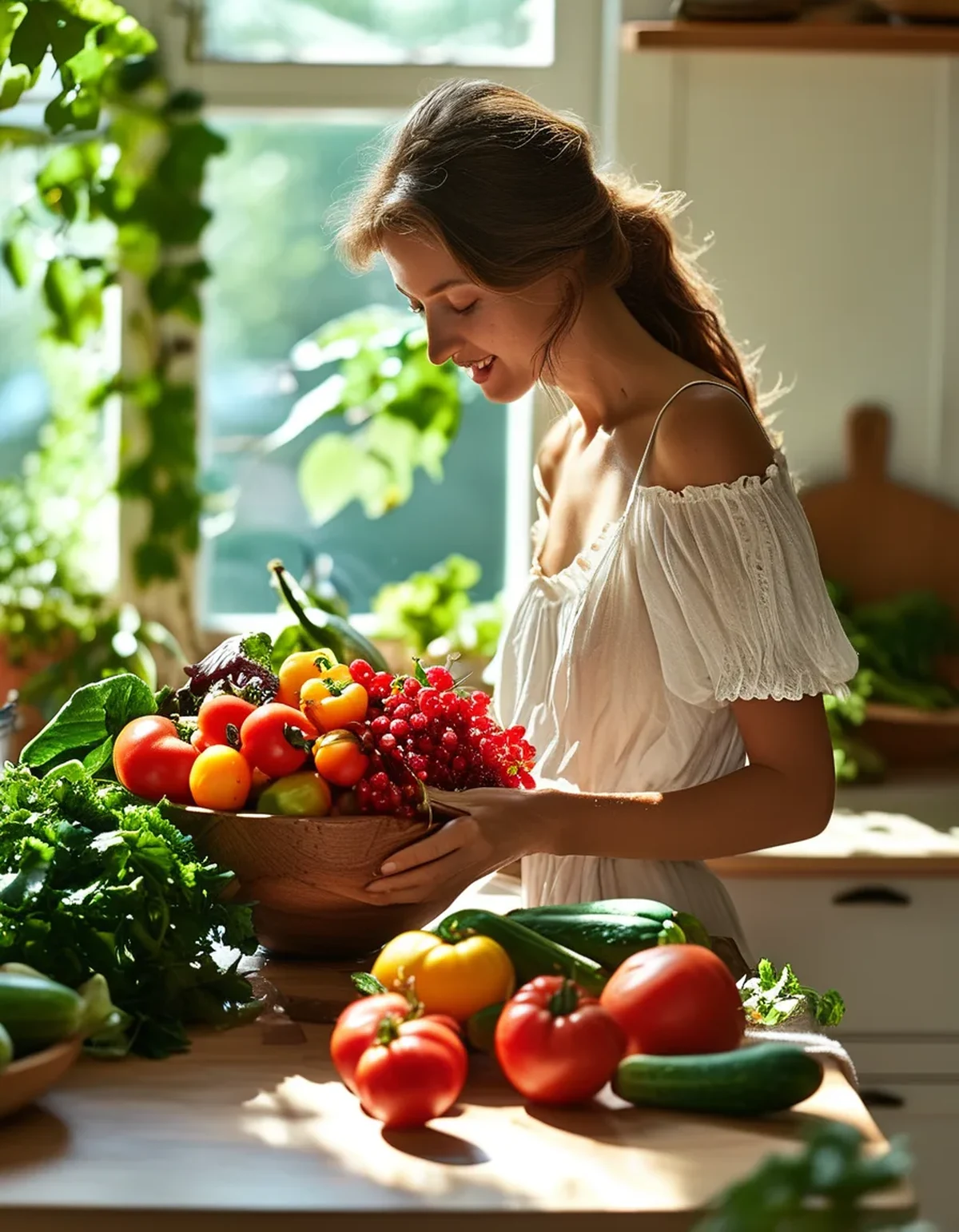
The top tier right now:
- Tomatoes - lycopene, and this is the only time of year they taste like anything. Peak ripeness raises lycopene content substantially over a supermarket tomato picked green.
- Dark berries - blackberries, blueberries, and the last of the raspberries. Anthocyanins, which are the pigments doing most of the work.
- Leafy greens - chard, spinach, kale, and the peppery salad leaves. Folate, vitamin K, and a broad range of polyphenols.
- Peppers - very high vitamin C, more in red than green, since red is simply a riper green.
- Courgette and summer squash - modest on paper, useful in volume, and cheap enough to build meals around.
- Stone fruit - peaches, plums, nectarines. Polyphenols concentrated in and just under the skin.
- Fresh herbs - basil, parsley, mint, oregano. Gram for gram the most concentrated items on this entire list.
The underrated one is herbs. People treat them as garnish and use a pinch. Used by the handful - a whole bunch of parsley in a salad, basil piled onto tomatoes - they contribute meaningfully rather than decoratively.
Does cooking help or hurt?
It depends entirely on the compound, and getting this wrong wastes a lot of good produce.
Cook these for more benefit:
- Tomatoes. Heat breaks down cell walls and makes lycopene far more available. Cooking with olive oil helps further, since lycopene is fat-soluble. A slow-cooked tomato sauce delivers more lycopene than the same weight of raw tomatoes.
- Carrots and squash. Same principle for carotenoids.
Eat these raw or barely cooked:
- Berries. Vitamin C and anthocyanins degrade with heat and time. Fresh, or frozen and thawed, both fine.
- Peppers. Vitamin C is heat-sensitive and water-soluble. A raw pepper delivers far more than a roasted one.
- Herbs. Add at the end. A basil leaf simmered for twenty minutes has lost most of what made it worth adding.
Greens sit in the middle. Light steaming or a quick saute reduces some vitamin C but makes minerals more available and lets you eat far more volume. Boiling and draining is the one method to avoid, since water-soluble nutrients go down the sink.
A practical rule: if the colour is red or orange, cooking with fat usually helps. If the colour is green or deep purple, gentler is better.
What does an actual day of this look like?
Specific enough to shop from, and none of it requires unusual ingredients.
Breakfast. Greek yoghurt with a large handful of blackberries and blueberries, a spoon of ground flaxseed, and a few walnuts. The berries do the polyphenol work; the flax and walnuts add omega-3s.
Lunch. A big salad built on chopped leaves with a whole bunch of parsley chopped in, raw red pepper, tomatoes, chickpeas, and a dressing of olive oil, lemon, and black pepper. Use two to three tablespoons of olive oil, not a drizzle - the fat is what makes the fat-soluble compounds in everything else available.
Dinner. Oily fish - sardines, mackerel, or salmon - with a slow-cooked tomato and courgette sauce, plus a pile of chard wilted in the pan at the end. The tomatoes cooked in oil, the greens barely cooked.
Snack. A ripe peach. Eat the skin, since that is where most of the polyphenol content sits.
Through the day: green tea rather than a third coffee, and water.
Nothing here is exotic and the total cost in peak season is low. The pattern matters more than any single item - a consistently varied plate of colours does more than any one superfood, and that framing is what the research actually supports.
Myth vs Fact: Anti-Inflammatory Eating
Myth: There is a list of anti-inflammatory superfoods and you should eat those. Fact: The evidence is much stronger for overall dietary patterns - lots of plants, oily fish, olive oil, minimally processed - than for any individual food. A varied plate beats a concentrated focus on turmeric.
Myth: Raw is always more nutritious. Fact: True for vitamin C and some polyphenols, false for lycopene and carotenoids, which cooking makes more available. Both approaches belong in the same week.
Myth: Frozen produce is nutritionally inferior. Fact: Frozen fruit and vegetables are typically picked ripe and frozen quickly, which often preserves more than fresh produce that spent a week in transit. Frozen berries out of season are a genuinely good option.
Myth: You need supplements to get meaningful amounts. Fact: Whole foods deliver these compounds alongside fibre and the other components they naturally occur with, and the evidence for isolated supplements is considerably weaker. Peak-season produce is the cheapest and best-evidenced version of this.
Myth: Eating this way will resolve a diagnosed inflammatory condition. Fact: Dietary pattern can be a genuinely useful part of managing many conditions, but it is not a replacement for medical treatment. If you have a diagnosed condition, work with your healthcare team. This is general information, not medical advice.
How do you stop the produce rotting before you use it?
The most common failure in eating this way is not knowledge. It is a fridge drawer of good intentions turning to liquid.
Process on the day you shop. Wash and dry the leaves, store them with a piece of kitchen paper in a container. Chop the peppers. Wash the berries only right before eating, since wet berries mould fast.
Cook the tomato sauce immediately. Tomatoes are the fastest to go, and a big batch of slow-cooked sauce keeps for days in the fridge and months in the freezer. This is the single highest-value hour of the week.
Freeze the surplus berries. Spread on a tray, freeze, then bag. They go straight into yoghurt or a smoothie for months.
Make herbs last. Parsley and coriander in a jar of water in the fridge, like flowers, keep for well over a week. Basil hates the cold - keep it on the counter in water.
Buy less, more often, if you can. Peak season means it is cheap enough that a small mid-week top-up is affordable, and mid-week produce gets eaten while Sunday’s second bag does not.
Store stone fruit on the counter until ripe, then move to the fridge. Refrigerating an unripe peach stops it ever developing properly, which is why supermarket peaches so often disappoint.
FAQ: Seasonal Anti-Inflammatory Eating Questions, Answered
How much of this do I need to eat to notice anything?
The pattern matters more than the dose, and the timescale is weeks to months rather than days. Aim for variety and consistency rather than large amounts of any one thing.
Is organic produce meaningfully better here?
The polyphenol differences found in studies are generally small and inconsistent. Eating more vegetables of any kind is far more impactful than the organic question, and price is a real factor in whether people keep it up.
What should I cut back on, not just add?
The pattern evidence points at highly processed foods, refined carbohydrates, and excess alcohol more than any single ingredient. Adding produce while changing nothing else still helps, but the two together do more.
Does coffee count as inflammatory?
Coffee is a significant source of polyphenols for many people and is generally not considered inflammatory in typical amounts. Individual tolerance varies, particularly around sleep, which itself affects inflammation.
What if I have a condition affecting what I can eat?
Then the specific advice from your healthcare team overrides general guidance like this, particularly around things like kidney disease, blood thinners and vitamin K, or digestive conditions. This is general information, not medical advice.
TL;DR:
- Prioritise tomatoes, dark berries, leafy greens, peppers, stone fruit, and fresh herbs while they peak
- Cook red and orange produce with fat; keep green and purple produce raw or barely cooked
- Use herbs by the handful, not the pinch - they are the most concentrated thing on the list
- Use real amounts of olive oil so the fat-soluble compounds are actually available
- Process on shopping day and freeze the surplus, or the drawer wins
Late summer is the one stretch of the year when the cheapest produce is also the most nutrient-dense, which makes it the easiest time to build a pattern that carries into autumn. Buy what is piled high, cook it in the way that suits it, and let variety do the work. This is general information, not medical advice.
Keep Reading
This article is for general informational purposes only and is not medical advice. Always consult a qualified health professional for guidance specific to you.